


“When I Grow Up…”
From the time we have barely begun Kindergarten, we are introduced to the one question that will follow us most of our youth: “What do you want to be when you grow up?” In Kindergarten, the answer was so easy. No one judged it. No one had opinions about it. It was just accepted.
As we get older, the answer becomes more complicated and harder to answer. The possibilities begin to filter down. Opinions from those we trust are inserted into our thought process. Then, suddenly, we come to a point where we question our own abilities: “I don’t know if I can do this; it sounds too hard.” We may start to think, “Is this my future, or someone else’s?”
For me, I felt that the question of what I wanted to be when I grew up followed me well into adulthood, well into my first career, until I came to a point where I realized I needed to be honest about my goals, not for anyone else, but for me.
I was not always a mental health provider. For the first fourteen years of my career life, I was a Physical Therapist Assistant. I landed in the field of physical therapy because I was told by people I trusted that psychology was not a career. I needed to choose a “real” healthcare career. I still couldn’t tell you what a “real” healthcare career is, but I knew I was being pulled in a different direction.
Physical therapy wasn’t all bad, and for the most part, I enjoyed it. Yet, I also felt from day one that something was missing. I ignored it for the first twelve years, attributing it to being a new professional and just getting my feet wet and finding my rhythm. Still, that voice in the back of my head wouldn’t let me forget that something was missing.
But what?
Psychology continued to follow me in physical therapy, as I found myself being drawn to neurological disorders such as strokes, Parkinson’s, and other balance dysfunctions. That part I did love! It was one client in particular who got me thinking it was time to return to my true interest and study the psychological component of healing. In this specific patient, no matter what progress they made, no matter what physical evidence I showed them, the depression they experienced as a side effect of their diagnosis caused them to be blind to any improvements. They had a failure to thrive. It was heartbreaking to watch.
We had very limited mental health services in the area, with no consistent mental health providers in our small town. I was so limited in how I could help. I couldn’t stand by that. I had to do something. And that was what was missing — the quest to get through the mental block of physical — and, as I later learned, emotional — progress.
It was hard. It was hard financially, mentally, emotionally. I had many moments where I wanted to quit, but chose not to because I was focused on the end goal. I continued to push through the hard until I finally became a clinical mental health counselor. I was able to begin building a foundation in my rural community. I had changed. My family noticed I enjoyed my days more. I felt I enjoyed my days more. I felt complete.
I will always appreciate what my career in physical therapy taught me. Most importantly, I will always remember that it is never too late to follow your calling. It is never too late to follow your interests and pursue a career that gives you a feeling of being complete. Life is too short not to.
So I ask you, what do YOU want to be when you grow up?
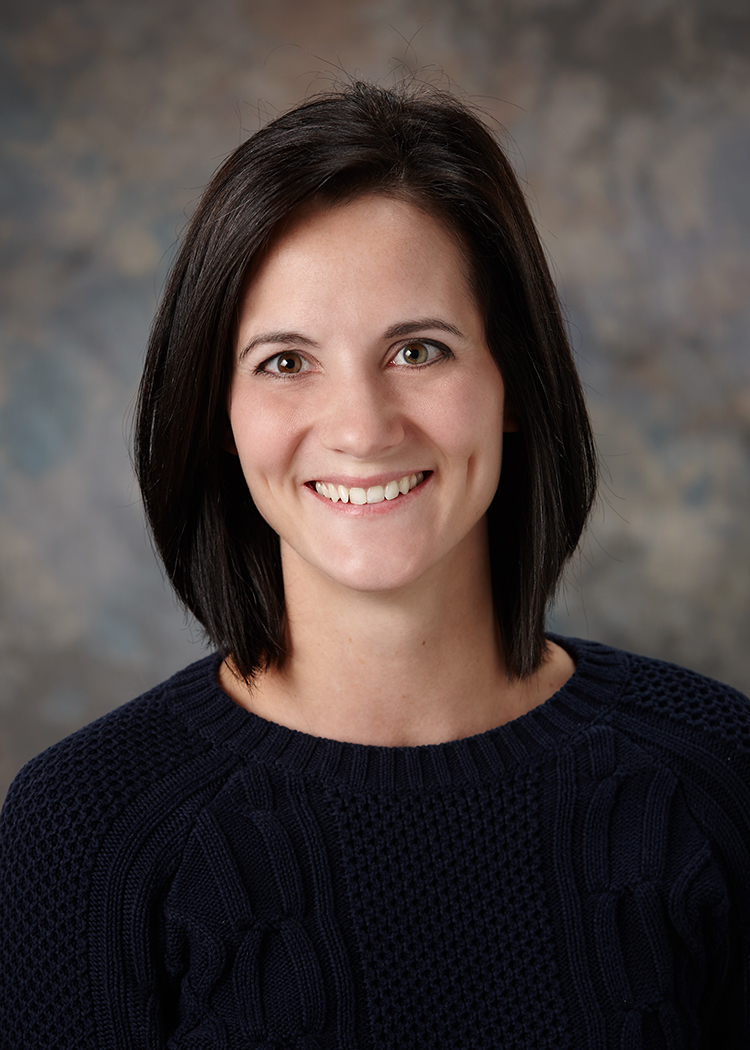
~ Valerie Blase, PLMHP


Comments